What Sets San Diego Basketball Club Teams Apart from the Rest
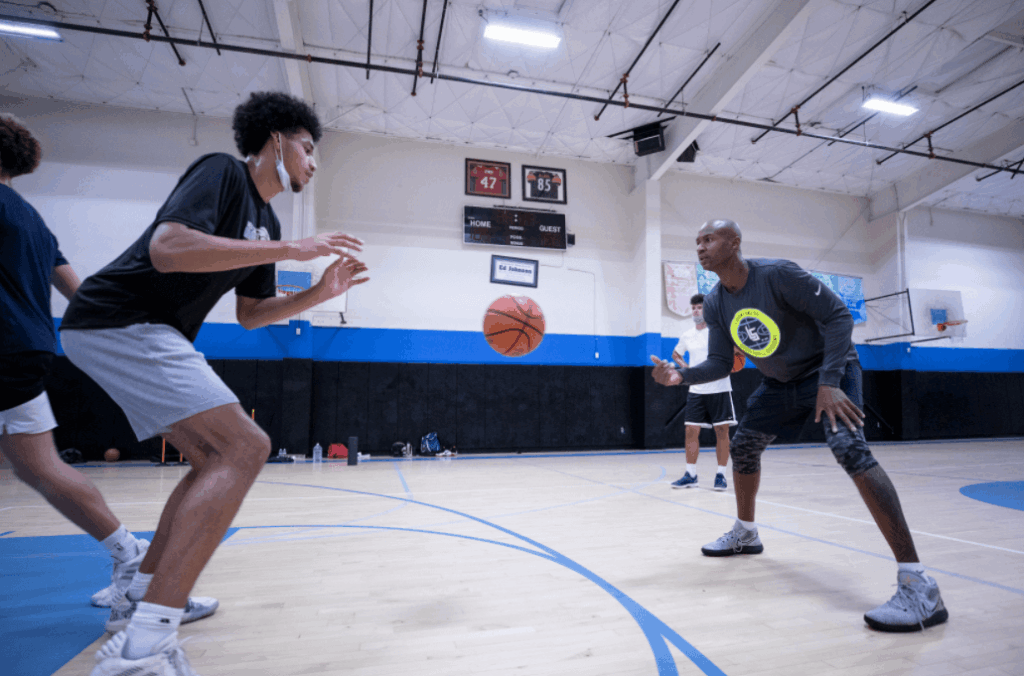

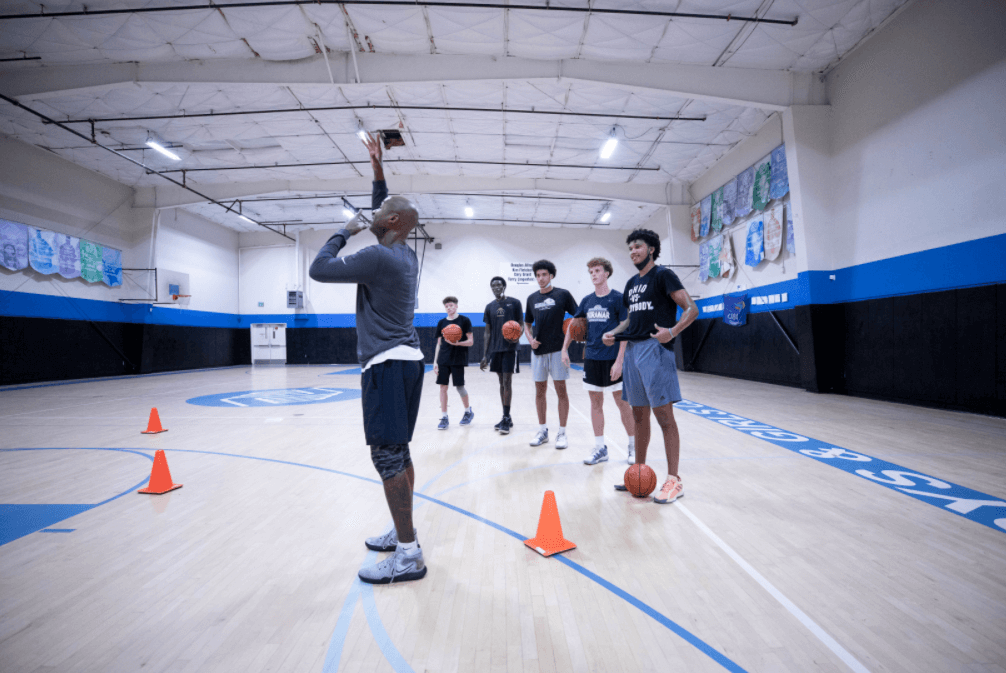
San Diego has never had to shout to get noticed. The city tends to earn its reputation the quieter way, through consistency, quality, and an environment that makes talented people want to stay and work. That dynamic shows up clearly in youth sports, especially basketball. Spend enough time around gyms from North County to Chula Vista, and you start to see why families talk about Basketball Club Teams San Diego with a different kind of respect.
The difference is not one magical ingredient. It is the combination of climate, coaching culture, parent expectations, training philosophy, and the level of competition packed into a relatively concentrated region. A strong club program in San Diego is rarely defined by a flashy social media presence or a few big wins in the spring. It is usually defined by what happens on a random Tuesday in September, when no one is watching and players are still being taught how to pivot, rotate, communicate, and recover after a bad possession.
That matters because club basketball has changed. In many cities, the space has become crowded and noisy. Every program claims player development. Every team talks about exposure. Every coach says they care about culture. The real separator is whether those ideas show up in daily habits. The best San Diego programs tend to be unusually good at turning slogans into structure.
The talent pool is deeper than outsiders expect
People from outside Southern California often assume Los Angeles dominates every basketball conversation nearby. LA does have size, history, and visibility. But San Diego has built something different, and in many cases more sustainable. The player pool is broad, not just at the top. Good athletes come from public schools, private schools, military families, beach communities, suburban neighborhoods, and communities where basketball is the primary outlet after school.
That mix changes the level of play. It creates rosters with different styles of athletes and different basketball upbringings. One kid may come from a highly structured school program that emphasizes half-court execution. Another may have sharpened instincts in park runs and travel tournaments. A third may be a multisport athlete who is still learning how good they can be on the court. When those players train together, the game gets more honest. Weaknesses get exposed quickly, and versatility becomes valuable.
In San Diego, club coaches who know the landscape do not build teams only by chasing the earliest bloomers. They often look for players whose skill sets can grow in a demanding environment. That sounds obvious, but it is not common everywhere. In some regions, the temptation is to stack a roster with the biggest middle schoolers and ride short-term results. Better San Diego clubs tend to think longer. They understand that a player who is merely decent at 13 may become highly impactful at 16 if the footwork, decision-making, and confidence are built the right way.
The result is that competition within the city is stronger than many families anticipate. A team does not have to be nationally ranked to be difficult to play against. Depth, spacing, ball pressure, and smart help defense can make a locally respected team far more dangerous than its record might suggest.
Coaching tends to be more developmental, and players feel that difference
One of the biggest separators among Basketball Club Teams San Diego is the coaching style. The strongest programs usually have coaches who understand both the long game and the details. They are not just calling plays. They are teaching players how to see the floor, how to defend without gambling, how to absorb physicality, and how to handle a role that may not flatter them immediately.
That developmental mindset matters more than families sometimes realize. A player can put up points on a weak circuit and still fail to improve. Another player can average modest numbers on a disciplined San Diego club team and make huge strides that become obvious a year later. The second player is often in a better environment.
I have seen this firsthand in club settings where a coach spends 20 minutes of practice on closeout angles, shell defense, and the second rotation. To a parent watching from the bleachers, that may not look exciting. There is no score. No one is posting clips. But those possessions are the difference between a player who looks good in warmups and a player a high school coach trusts in a close game.
The best coaches in this space also know how to balance correction with freedom. If every mistake gets punished, players tighten up. If nothing gets corrected, bad habits spread. Good San Diego programs generally strike that balance well. Players are expected to think, communicate, and play with pace, but they are also held accountable for turnovers, lazy screens, late help, and poor shot selection.
That blend of structure and autonomy is hard to fake. You can usually tell within one quarter whether a team has been taught properly. Are the players talking through ball screens, or just switching by instinct? Do they sprint back and locate shooters, or stare at the ball? Does the bench know what is happening, or are they disconnected from the game? Serious club teams reveal themselves in those small moments.
The weather is not just a lifestyle perk, it shapes development
San Diego’s climate is often framed as a bonus, but for basketball players it is more than comfort. Consistent weather supports consistent training. It makes scheduling easier, keeps athletes active year-round, and allows outdoor skill work to complement gym time. A player can finish practice and get extra shooting or ball handling work without fighting winter conditions for months at a time.
That regularity matters. Basketball development is not usually about one breakthrough camp or one big tournament. It is about volume, repetition, and recovery. In a city where kids can train nearly every week of the year without major environmental interruptions, growth tends to be steadier.
There is also a psychological edge to training in a place where movement is built into daily life. San Diego athletes are often exposed to broader fitness habits, including beach workouts, trail running, mobility work, and cross-training. When handled intelligently, that can help build more resilient players. A club coach who understands load management can use that environment well. A careless program can overdo it and burn players out. That is one of the https://johnathancckz449.theglensecret.com/basketball-club-teams-san-diego-for-beginners-and-advanced-players trade-offs families need to understand. More access does not automatically mean better planning.
The better clubs account for this. They recognize when a player needs fewer tournament games, more strength work, or time to recover during a long school season. They do not confuse constant activity with progress.
High-level competition is close, and that raises the standard
Another thing that sets San Diego apart is geography. Top competition is accessible. A club team can test itself against strong local opposition, then travel a reasonable distance for elite events in Orange County, Los Angeles, the Inland Empire, Arizona, or Las Vegas. That keeps teams from becoming isolated and gives coaches a clearer read on what their players actually need.
In weaker basketball regions, a team can dominate locally and develop false confidence. That is less likely in Southern California. A team may look sharp one weekend, then run into length, speed, and disciplined guard play the next. That exposure forces adjustment. It also keeps coaches honest. If a team cannot handle pressure, cannot rebound against size, or depends too heavily on one scorer, those flaws get exposed quickly.
For players, this is valuable. It teaches them that reputation means very little once the ball goes up. It also sharpens role awareness. A player who is the first option against average teams may need to become a defender, cutter, or secondary creator against stronger opponents. Clubs that help athletes embrace those shifts tend to produce better long-term results.
This is where a lot of families misread the club landscape. They may chase a team with a stronger record or louder branding, when what their child really needs is tougher competition and clearer instruction. San Diego programs with staying power often understand that a hard weekend can be more productive than an easy championship.
San Diego clubs often build more complete players, not just highlight players
There is a difference between developing basketball skill and developing basketball value. Skill can be seen in isolation. A smooth jumper, a slick crossover, a clever finish. Value shows up in games that matter. Can the player defend a ball screen? Make the extra pass? Box out a stronger forward? Stay composed after two mistakes in a row?
The strongest club teams in San Diego tend to lean toward value. They want players who can function inside a team. That may sound basic, but it is a major separator in an era where many young athletes are rewarded for clips rather than substance.
A good San Diego club workout often includes less glamour and more transfer. There may be fewer fancy cone drills and more reads out of live action. More emphasis on playing through contact. More repetition on defensive stance, foot placement, and finishing with the weak hand. Not every player loves that immediately. Nearly every serious player benefits from it.
You can see the payoff when athletes move into high school varsity basketball. Players from disciplined club backgrounds often adapt faster because they have already learned timing, spacing, and accountability. They do not panic when they are not the focal point. They know how to practice. Coaches notice that right away.
Common traits in strong San Diego club programs
- Practices are organized, demanding, and built around transferable habits.
- Coaches teach roles clearly, but still let players grow beyond them.
- Tournament schedules make sense for development, not just visibility.
- Communication with families is direct, realistic, and consistent.
- Winning matters, but not at the expense of skill growth and team play.
Those traits are not exclusive to San Diego, of course. But they appear with unusual frequency in the city’s better basketball circles, and that consistency is part of what gives the area its reputation.
The parent culture can be more grounded than in many club markets
Every youth sports community has demanding parents. San Diego is no exception. Still, compared with some larger club basketball markets, the best programs here often benefit from families who value balance and perspective. That changes the tone around a team.
When parents understand development, players are less likely to get dragged into constant anxiety about minutes, shoe circuits, or rankings. They can focus on getting better. Coaches can coach. Team chemistry improves because every game does not become a referendum on exposure.
This does not mean San Diego families lack ambition. Plenty do, and rightly so. There are athletes in the area with college-level aspirations, and club basketball can absolutely support that path. The difference is that many of the healthiest programs communicate what that process really looks like. Progress is uneven. Growth spurts change roles. Confidence fluctuates. Recruiting timelines vary. A ninth grader who is physically mature and putting up numbers is not automatically ahead of the tenth grader who defends, passes, and is still growing into their body.
That kind of honesty is refreshing. It also saves families from bad decisions. One of the easiest traps in club basketball is confusing activity with advancement. More travel, more tournaments, more posts, more teams. Often the better decision is the calmer one, staying with a coach who teaches well and a team environment that demands real improvement.
The strongest programs understand the local high school landscape
San Diego club basketball does not exist in a vacuum. Good clubs know the high school ecosystem, and that helps their players. They understand which school programs play fast, which rely on structure, which emphasize defense, and which coaches value particular habits. That awareness shapes how athletes are prepared.
A player trying to break into a strong high school rotation needs more than talent. They need timing, toughness, and a feel for what wins trust. Club coaches with real local knowledge can help athletes make that transition. They can tell a player, plainly, that scoring twenty in a spring event means less than defending without fouling in a November varsity scrimmage. They can help a wing understand that rebounding and communication may get them on the floor faster than shot creation.
This local fluency also improves fit. Not every player needs the same type of club team. Some need a platform with stronger exposure. Others need reps and patience. Some need to be pushed physically. Others need confidence rebuilt after a rough school season. Coaches who know the city can guide those decisions with more nuance.
Diversity of style gives players a better basketball education
A quiet strength of San Diego basketball is stylistic diversity. Some clubs favor pace and pressure. Others are methodical and detail-oriented. Some lean into skill-heavy guard play. Others build around length, switching, and toughness. That variety forces players to adapt, and that is good for their game.
Players who face only one style often become narrow. They can thrive in familiar conditions and struggle when the rhythm changes. San Diego’s better club environment challenges that. A team may spend one weekend dealing with full-court pressure and the next navigating half-court physicality. A big may be asked to rim-run in one setting and make short-roll reads in another. Guards may have to score one game and simply manage tempo the next.
That kind of range matters for long-term development. Basketball gets harder as the levels rise because advantages shrink. Players who can only succeed one way often plateau. Players who have learned to solve different problems tend to keep climbing.
What families should actually look for when choosing a club team
Parents often ask what separates a genuinely strong club from one that simply markets itself well. The answer is usually visible before the first tournament. Watch how the team warms up. Watch how the coach teaches. Watch whether players stand around during drills or stay engaged between reps. Listen to the language on the bench. Good environments have a sound to them.
A family evaluating Basketball Club Teams San Diego should pay close attention to fit, not just reputation. The top team is not always the right team. A player buried on a roster may gain less than they would in a slightly smaller program with strong coaching and meaningful responsibility.
A few questions are worth asking, and the answers tend to reveal a lot.
- How often does the team practice, and what does a typical practice include?
- What is the coach’s philosophy on playing time, roles, and development?
- How does the program handle conflicts with school basketball and recovery?
- What level of competition will the team consistently face?
- How does the staff communicate with families when issues come up?
Those questions may seem simple, but they cut through most of the noise. Programs with substance usually answer them clearly. Programs built more on image often drift into vague promises.
San Diego produces players who understand more than the game itself
One of the less obvious things that sets these teams apart is the maturity many players develop along the way. Good club basketball teaches far more than skill. It teaches punctuality, self-regulation, resilience, and how to function within a group when emotions run high. In the strongest San Diego programs, those lessons are not decorative. They are built into the culture.
Players are expected to show up ready. They are expected to respond to coaching without sulking. They are expected to support teammates, even when their own minutes are inconsistent. Those habits translate well beyond basketball, and they are a major reason experienced coaches care so much about environment.
That culture also helps when players hit inevitable rough patches. Every athlete does. A shot disappears for a month. A role changes. A growth spurt throws off timing. An injury interrupts momentum. Players from stable, well-coached club teams tend to navigate those periods better because they have a framework. They are not relying solely on confidence. They have habits to fall back on.
Why the best San Diego teams keep earning trust
At the end of the day, what sets San Diego club teams apart is not hype. It is the accumulation of practical advantages handled well. A deep and varied talent pool. Serious coaching. Year-round training conditions. Strong nearby competition. A balanced parent culture in many programs. A local basketball network that understands how development really works.
None of this means every club team in the city is elite. Far from it. San Diego has the same issues other markets do, including overpromising, inconsistent coaching quality, and families chasing labels. But the best programs rise above that because they stay anchored in the fundamentals. They teach. They evaluate honestly. They compete hard. They prepare players for the next level of basketball, whether that means varsity impact, college opportunities, or simply becoming a reliable, well-rounded player.
That is why knowledgeable families keep coming back to the top Basketball Club Teams San Diego has to offer. Not because they are perfect, and not because every player’s path looks the same, but because the strongest programs understand something essential. Development is not a slogan. It is a daily standard, and in San Diego, the best teams still treat it that way.
Lamont Smith Basketball Academy
888 Clairemont Mesa Blvd Suite T-2, San Diego, CA 92123
(619) 639-8778
FAQ About Basketball Club Teams San Diego
How can a player join an LSBA club team?
Players are evaluated during practices so the coaching staff can recommend an appropriate team and development level. Families should contact the academy to confirm current openings and evaluation details.
Are club teams available for newer basketball players?
Yes. LSBA describes multiple levels, including a developmental option for newer players as well as more competitive teams for athletes with prior club experience.
What do LSBA club team practices emphasize?
Practices emphasize basketball fundamentals, team defense, structure, communication, and player development. The specific focus may vary according to the team and experience level.
Do all LSBA teams travel?
Travel expectations vary by level. Some teams focus on local competition, while advanced teams may participate in tournaments elsewhere in Southern California or beyond. Families should confirm the current schedule before enrolling.